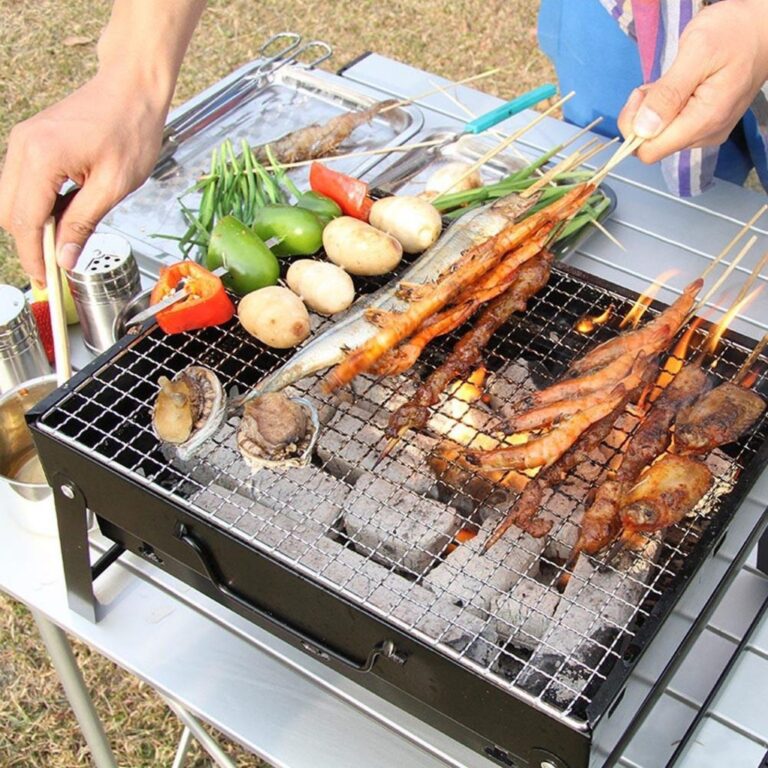

Whether you’re grilling steaks for a family dinner or slow-cooking ribs for an afternoon barbecue, maintaining a steady cooking temperature is one of the biggest challenges when using a charcoal BBQ grill. As charcoal burns down, the heat gradually decreases, which can lead to uneven cooking, longer preparation times, and disappointing results.
The good news is that you can add more charcoal while cooking without ruining your food or causing dramatic temperature changes. The key is knowing when to add charcoal, how much to add, and which method works best for your type of cooking.
In this guide, we’ll walk you through the safest and most effective techniques for adding charcoal during a cook. Whether you’re a beginner or an experienced grilling enthusiast, these practical tips will help you keep your grill at the ideal temperature and enjoy consistent BBQ results every time.
Quick Answer
Yes, you can safely add more charcoal while cooking. The best method is to add pre-lit charcoal using a chimney starter, as it maintains a steady cooking temperature and avoids excessive smoke. If you only have unlit charcoal, add it gradually to the edge of the existing fire so it ignites naturally without causing a sudden drop in heat.
Quick Reference Guide
| Cooking Situation | Recommended Action |
|---|---|
| Grill temperature starts dropping | Add 8–12 lit charcoal briquettes |
| Long BBQ session (over 2 hours) | Refill charcoal every 45–60 minutes |
| Smoking large cuts of meat | Add small amounts of charcoal gradually |
| High-heat grilling (steaks, burgers) | Add charcoal only if heat drops significantly |
| Windy or cold weather | Check charcoal more frequently |
Why You May Need to Add More Charcoal
Unlike gas grills that provide a continuous fuel supply, charcoal grills rely on burning fuel that gradually turns into ash. As the amount of burning charcoal decreases, the grill naturally loses heat.
Adding fresh charcoal during cooking is completely normal, especially when preparing foods that require longer cooking times.
You may need additional charcoal when cooking:
- Beef brisket
- Pork ribs
- Whole chickens
- Large roasts
- Smoked meats
- Multiple batches of food for a party
Even if you’re only grilling burgers or sausages, adding a small amount of charcoal may be necessary if you’re cooking for several rounds of guests.
Signs Your Grill Needs More Charcoal
Many beginners wait until the grill becomes cold before adding more fuel. By then, the cooking temperature has already dropped too much.
Instead, watch for these early warning signs.
1. The Temperature Begins to Drop
If your grill thermometer shows the temperature falling below your target range, it’s time to prepare additional charcoal.
For example:
- Steaks: 450–550°F (230–290°C)
- Burgers: 400–450°F (205–230°C)
- Chicken: 350–400°F (175–205°C)
- Low and slow BBQ: 225–275°F (107–135°C)
Maintaining a consistent temperature produces more even cooking and better flavor.
2. The Charcoal Is Mostly Covered with White Ash
When most of the charcoal has burned down into small glowing pieces surrounded by ash, it no longer produces enough heat for extended cooking.
3. Food Takes Longer to Cook
If burgers, vegetables, or steaks suddenly require much more time than expected, insufficient heat is often the cause.
4. Flames Have Nearly Disappeared
A healthy charcoal fire should contain glowing coals with steady radiant heat. If only a few small coals remain, prepare to add more fuel before the temperature drops further.
Should You Add Lit or Unlit Charcoal?
One of the most common questions beginners ask is whether they should add fresh charcoal directly onto the burning coals.
The answer depends on your cooking situation.
Option 1: Add Lit Charcoal (Recommended)
Lighting fresh charcoal in a chimney starter before adding it to the grill offers several advantages.
Benefits
- Maintains a stable cooking temperature
- Produces less smoke
- Prevents unpleasant odors
- Reduces waiting time
- Ideal for long BBQ sessions
If you’re smoking meat or cooking food for more than an hour, this is the preferred method.
Option 2: Add Unlit Charcoal
Adding unlit charcoal is acceptable when you only need a small amount of additional fuel.
Place the new charcoal beside the existing hot coals rather than directly on top. This allows it to ignite gradually without dramatically cooling the cooking area.
Keep the grill lid closed as much as possible to maintain airflow and encourage the new charcoal to catch fire naturally.
Step-by-Step: How to Add More Charcoal While Cooking
Adding charcoal at the right time is easier than many beginners expect. By following a simple process, you can keep your grill hot without interrupting your cooking or affecting the flavor of your food.
Step 1: Check the Grill Temperature
Before adding fuel, check the temperature using the built-in thermometer or a digital grill thermometer.
If the temperature has dropped by 50–75°F (10–25°C) below your target cooking range, it’s usually the right time to add more charcoal.
Avoid waiting until the fire is almost out, as reheating the grill takes longer and may affect cooking consistency.
The best option is to light fresh charcoal in a chimney starter while your current charcoal is still burning.
Step 2: Prepare Additional Charcoal
By the time your grill begins losing heat, the new charcoal will already be hot and ready to use.
If you don’t have a chimney starter, place a small amount of unlit charcoal near the burning coals so it can ignite gradually.
Step 3: Open the Grill Carefully
Wear heat-resistant BBQ gloves before opening the grill.
Lift the lid slowly to avoid a sudden rush of oxygen, which may cause flare-ups.
If your grill has a charcoal access door, use it instead of removing the cooking grate. This helps retain more heat and minimizes disruption to your food.
Step 4: Add the Charcoal
Spread the new charcoal evenly over the existing fuel or place it beside the hot coals, depending on your cooking method.
Avoid dumping a large amount of charcoal into one spot, as this may create uneven temperatures.
Adding charcoal gradually gives you better control over the cooking environment.
Step 5: Close the Lid and Adjust the Air Vents
Once the charcoal has been added, close the lid immediately.
Adjust the air vents to restore your desired cooking temperature.
Remember:
- More airflow = Higher temperature
- Less airflow = Lower temperature
Allow the grill a few minutes to stabilize before making further adjustments.


Adding Charcoal for Direct Heat Cooking
Direct heat cooking places food directly above the charcoal.
This method is ideal for:
- Steaks
- Burgers
- Sausages
- Seafood
- Vegetables
When adding charcoal during direct grilling:
- Move the food temporarily if necessary.
- Add a small amount of lit charcoal.
- Spread the coals evenly.
- Wait a few minutes for the heat to recover.
- Return the food to the grill.
Because direct heat cooking usually takes less time, you often need only a small amount of additional fuel.

Adding Charcoal for Indirect Heat Cooking
Indirect heat is commonly used for foods that require longer cooking times.
Examples include:
- Whole chicken
- Pork shoulder
- Beef brisket
- BBQ ribs
- Turkey
Arrange the burning charcoal on one side of the grill and place fresh charcoal next to the existing fire.
As the original charcoal burns down, the new charcoal will ignite naturally, creating a continuous heat source without large temperature swings.
This technique is especially useful for low-and-slow barbecue.


How Much Charcoal Should You Add?
Adding too much charcoal can make the grill excessively hot, while adding too little may not maintain the desired temperature.
The following guide can help.
| Cooking Time Remaining | Recommended Amount |
|---|---|
| Less than 30 minutes | 6–8 briquettes |
| 30–60 minutes | 8–12 briquettes |
| More than 1 hour | 12–18 briquettes |
| Low-and-slow smoking | Add small amounts every 45–60 minutes |
For lump charcoal, use slightly fewer pieces because it generally burns hotter than briquettes.
Tips for Maintaining a Stable Grill Temperature
Keeping the temperature consistent is often more important than reaching an extremely high temperature.
Professional grill users recommend the following practices:
Keep the Lid Closed
Every time you open the lid, heat escapes quickly.
Try to avoid checking your food too frequently.
If you’re looking, you’re not cooking.
Manage Airflow Properly
The air vents control how much oxygen reaches the charcoal.
Instead of constantly adding more fuel, adjust the vents first.
Often, improving airflow restores the temperature without adding extra charcoal.
Use High-Quality Charcoal
Quality charcoal burns longer, produces less ash, and provides more consistent heat.
Poor-quality charcoal often burns unevenly and creates unnecessary smoke.
Remove Excess Ash
As charcoal burns, ash can block the airflow beneath the fire.
Removing excess ash during long cooking sessions improves combustion and helps maintain a stable temperature.
Prepare Fuel Before You Need It
One of the most common mistakes is waiting until the grill is almost cold before lighting more charcoal.
Instead, prepare additional charcoal in advance.
This simple habit allows you to maintain continuous heat without interrupting the cooking process.
Expert Tips from Professional BBQ Grill Manufacturers
Experienced grill manufacturers know that consistent heat is not only about adding more charcoal—it’s also about choosing the right equipment.
A well-designed charcoal BBQ grill should include:
- Adjustable air vents for precise airflow control
- Durable steel construction that retains heat efficiently
- A deep charcoal tray for longer burn times
- An easy-access charcoal door for adding fuel without removing food
- A removable ash collection system for quick cleaning
These design features make it easier to maintain stable temperatures, reduce fuel consumption, and improve overall grilling performance.
Common Mistakes to Avoid
Even experienced grillers occasionally make mistakes when adding more charcoal. Avoiding these common errors will help you maintain consistent heat and achieve better cooking results.
Adding Too Much Charcoal at Once
Many beginners assume that more charcoal means better heat. In reality, adding a large amount of fuel at one time can cause sudden temperature spikes, making food cook unevenly or even burn.
Instead, add charcoal gradually and monitor the temperature before adding more.
Waiting Until the Fire Is Almost Out
If you wait until only a few glowing coals remain, it takes much longer for the grill to recover.
A better approach is to prepare fresh charcoal before the temperature drops significantly. Maintaining heat is always easier than rebuilding it.
Ignoring Air Vent Settings
Adding more charcoal will not solve every temperature problem.
If the air vents are partially blocked or nearly closed, the charcoal cannot burn efficiently. Always check airflow before adding additional fuel.
Using Wet or Low-Quality Charcoal
Moist charcoal burns poorly, creates excessive smoke, and makes temperature control difficult.
Store charcoal in a dry, covered area and choose high-quality fuel for longer cooking sessions.
Opening the Lid Too Frequently
Every time the lid is opened, valuable heat escapes.
Repeatedly checking the food slows the cooking process and increases fuel consumption.
Try to keep the lid closed unless turning food or adding charcoal is necessary.
Recommended BBQ Accessories
The right accessories make adding charcoal safer and more convenient.
| Accessory | Why It’s Useful |
|---|---|
| Chimney Starter | Lights charcoal quickly without lighter fluid |
| Heat-Resistant Gloves | Protects your hands when handling hot charcoal |
| Long BBQ Tongs | Safely move charcoal and cooking grates |
| Grill Thermometer | Monitors cooking temperature accurately |
| Charcoal Basket | Keeps fuel organized for better airflow |
| Ash Shovel | Makes cleaning faster during long cooking sessions |
These simple tools improve safety, temperature control, and overall grilling efficiency.

FAQ
Can I add charcoal while food is still cooking?
Yes. You do not need to remove the food from the grill. Add charcoal carefully, close the lid promptly, and allow the temperature to stabilize before continuing to cook.
Is it better to add lit or unlit charcoal?
Lit charcoal is generally the better choice because it restores heat quickly and produces less smoke. Unlit charcoal can be added in small amounts for longer cooks if placed next to burning coals.
How often should I add charcoal?
This depends on your cooking time and grill size.
For most charcoal grills, adding fresh fuel every 45–60 minutes during long cooking sessions helps maintain a consistent temperature.
Will adding charcoal change the flavor of my food?
When using quality charcoal and proper techniques, adding charcoal should not negatively affect flavor.
However, avoid placing food over charcoal that is still producing thick black smoke.
Why does my charcoal grill cool down so quickly?
Common reasons include:
- Too little charcoal
- Poor airflow
- Excess ash buildup
- Windy weather
- Frequent opening of the grill lid
Checking these factors usually solves the problem.
Can I mix lump charcoal and briquettes?
Yes. Many experienced grillers combine the two.
Lump charcoal provides quick heat, while briquettes burn longer and help maintain a stable cooking temperature.
Related Barbecue Tutorials
Continue improving your grilling skills with these helpful guides:
- How to Use a Charcoal BBQ Grill
- How to Light a Charcoal Grill Safely
- How to Control Temperature on a Charcoal Grill
- How to Clean a Charcoal BBQ Grill
- Direct Heat vs. Indirect Heat: Which Method Is Best?
Linking related tutorials creates a better user experience and helps visitors explore more useful content.
Why Grill Quality Matters
While proper charcoal management is important, the design of your grill also plays a major role in cooking performance.
A well-built charcoal BBQ grill offers:
- Better airflow control
- More consistent heat distribution
- Longer fuel efficiency
- Easier charcoal refilling
- Greater durability for outdoor use
Choosing a reliable grill helps you spend less time managing the fire and more time enjoying great barbecue.
If you’re looking for durable charcoal BBQ grills for backyard cooking, outdoor events, or commercial use, explore our collection of professionally manufactured grills designed for performance, safety, and long-term reliability.
Knowing how to add more charcoal while cooking is an essential skill for anyone using a charcoal BBQ grill. By adding fuel before the temperature drops too far, using the right amount of charcoal, and managing airflow correctly, you can maintain steady heat throughout your cook.
Whether you’re grilling burgers for a quick family meal or smoking brisket for hours, careful fuel management ensures better flavor, more even cooking, and a more enjoyable barbecue experience.
With regular practice and the right equipment, you’ll gain confidence in controlling your grill and producing consistently delicious results every time.
推荐产品
-

Automatic charcoal barbecue grill
Read More$62.00 -
Best Charcoal BBQ Grills in the UK
Read More$4.50 -

Charcoal Fire Table Durable BBQ Grill
Read More$385.00 -
Charcoal Tabletop Barbecue Grills
Read More$10.99 -

Commercial Charcoal BBQ Grill
Read More$35.00 -
Corten Steel BBQ For Backyard Cooking
Read More$399.00 -
Corten steel bbq Outdoor Kitchen
Read More$280.00 -
Corten Steel Charcoal BBQ Grill Kitchen Fire Pit
Read More$390.00 -

Corten steel outdoor barbecue grill corrosion resistant
Read More$390.00


 KY
KY  US
US  DE
DE  AF
AF  AM
AM  AN
AN  AZ
AZ  AR
AR  AS
AS  BE
BE  DA
DA  EL
EL  ES
ES  ET
ET  JA
JA  ML
ML  KO
KO  SV
SV  FR
FR  IT
IT  RU
RU  DZ
DZ  HAZ
HAZ  CY
CY  EU
EU  GU
GU  FA
FA  FI
FI  UZ
UZ  UK
UK  TT
TT  ZH
ZH  GL
GL  FA_IR
FA_IR  HR
HR  VI
VI  HE
HE  ID
ID  RO
RO  ES_MX
ES_MX  KA
KA  CS
CS  DE_CH
DE_CH  EN
EN  PL
PL  BG
BG  PT
PT